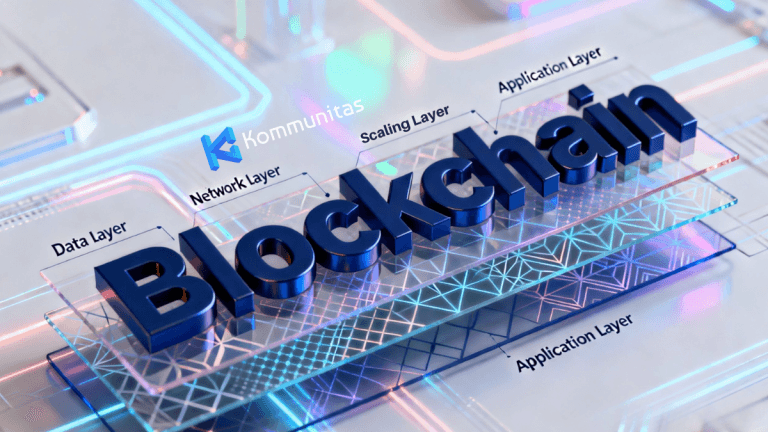
Blockchain is revolutionizing how we handle data and trust in the digital world. It's the backbone of cryptocurrencies like Bitcoin but extends far beyond, powering secure and transparent systems across industries.
What Is Blockchain?
Blockchain is a decentralized digital ledger that records transactions across many computers. No single entity controls it, making it resistant to tampering—once data is added, it can't be altered without network consensus.
The National Institute of Standards and Technology (NIST) provides the most precise technical breakdown:
"Blockchains are distributed digital ledgers of cryptographically signed transactions that are grouped into blocks. Each block is cryptographically linked to the previous one (making it tamper-evident) after validation and undergoing a consensus decision."
Think of it as a shared notebook where every page (block) links to the previous one via unique codes called hashes. This chain ensures chronological order and immutability.
How Does It Work?
Transactions start when users initiate an action, like sending crypto. They're verified by network nodes using cryptography and grouped into blocks.
Nodes then reach consensus—via methods like Proof of Work (miners solving puzzles) or Proof of Stake (validators staking assets)—before adding the block to the chain.
Each block gets a hash linking it to the prior one, creating an unbreakable sequence. Everyone on the network updates their copy, ensuring a single source of truth.
Key Features
Decentralization: No central authority; data spreads across peers, reducing single points of failure.
Immutability: Cryptographic hashes make changes nearly impossible without redoing the entire chain.
Transparency: Public blockchains let anyone view transactions, building trust without intermediaries.
Security: Digital signatures and consensus prevent fraud or double-spending.
What the Use of Blockchain?
Blockchain extends far beyond cryptocurrencies, offering secure, transparent solutions for various industries. Its decentralized ledger ensures tamper-proof records without needing financial tokens.
Supply Chain Management
Blockchain tracks goods from origin to delivery, verifying authenticity and reducing counterfeits. Companies like Walmart use it to trace food contamination in seconds rather than days.
It automates logistics with smart contracts, optimizing routes and ensuring compliance without paperwork.
Healthcare Data Security
Patients control their records via blockchain, granting selective access to providers. This enhances privacy while enabling seamless sharing across systems.
Immutable logs prevent tampering, improving diagnostics and reducing fraud in insurance claims.
Digital Identity
Blockchain creates self-sovereign identities, letting users prove credentials without revealing excess data. It's used for secure logins, reducing identity theft.
Governments explore it for verifiable documents like passports or licenses.
Voting Systems
Tamper-proof blockchain voting ensures verifiable, transparent elections. Voters confirm participation without exposing choices, combating fraud.
Blockchain vs Cryptocurrency Difference
Cryptocurrency, like Bitcoin or Ethereum, is a digital asset or currency that uses blockchain to enable peer-to-peer transfers without intermediaries. It functions as a medium of exchange, secured by cryptography and often limited in supply.
Key Differences
Relationship
Cryptocurrencies depend on blockchain for transparency and security—every transaction gets logged in blocks via consensus mechanisms like Proof of Work or Stake. However, blockchain extends to non-financial uses, such as tracking goods on Kommunitas-supported projects or secure identity verification.
Real-World Applications
Blockchain secures supply chains by tracking goods from origin to consumer, preventing counterfeits.
In finance, smart contracts automate agreements—like loans releasing funds when conditions are met—cutting out banks.
It's also transforming voting systems for tamper-proof elections and healthcare for verifiable patient records.
Why It Matters for Kommunitas
At Kommunitas, blockchain enables fair token launches on our platform, empowering projects with transparent funding. As a launchpad, we leverage its trustless nature to connect builders and investors securely.