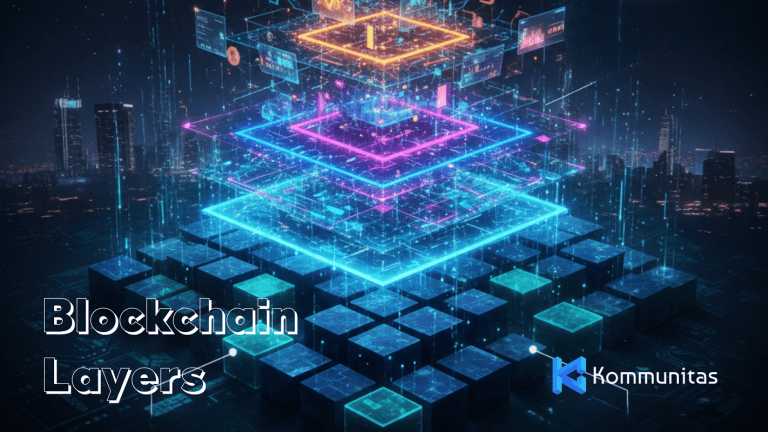
As blockchain adoption grows, discussions about scalability often lead to two terms that are frequently misunderstood: Layer 1 and Layer 2. These labels are sometimes treated as technical jargon, but in reality, they describe a very practical architectural shift in how blockchains are built and used.
Understanding the difference between them helps explain why fees fluctuate, why some networks feel faster than others, and how blockchain technology is evolving toward mass adoption.
Layer 1: The Foundation of a Blockchain Network
A Layer 1 blockchain is the core network itself. It is where transactions are ultimately recorded, validated, and finalized. Every rule that governs how the blockchain operates—consensus mechanisms, block production, and security assumptions—lives at this base layer.
When you send funds directly on Ethereum or Bitcoin, your transaction is processed entirely on Layer 1. This gives the highest level of security and decentralization, but it also means that the network has limited capacity. Every transaction competes for space within a block, which explains why fees increase during periods of heavy usage.
Layer 1 blockchains were designed with security and trust minimization as the priority. Scalability, especially for everyday micro-transactions, was not the original focus. As usage increased, this limitation became more visible.
Layer 2: Scaling Without Replacing the Base Layer
Layer 2 solutions emerged as a response to Layer 1’s natural constraints. Instead of replacing the base blockchain, Layer 2 systems are built on top of it, using the underlying network as a source of security and final settlement.
Rather than sending every transaction directly to Layer 1, Layer 2 processes many transactions off the main chain. Only the summarized results are then submitted back to Layer 1. This approach significantly reduces congestion while preserving trust in the base network.
The key idea behind Layer 2 is efficiency. It allows users to interact with decentralized applications at a speed and cost that feels practical, while still relying on Layer 1 to resolve disputes and secure assets.
How the Two Layers Work Together
Layer 1 and Layer 2 are not competitors. They serve different roles within the same system.
Layer 1 acts as the source of truth. It is where final settlement happens and where the highest security guarantees exist.
Layer 2 acts as the execution layer, handling high-volume activity efficiently before anchoring results back to Layer 1.
This separation mirrors systems outside crypto. Just as payment processors rely on banks for final settlement, Layer 2 networks rely on Layer 1 for ultimate security.
Security and Trust Considerations
One concern users often raise is whether Layer 2 is as secure as Layer 1. The answer depends on design rather than marketing claims.
Most established Layer 2 solutions inherit security from Layer 1 by allowing transactions to be challenged or verified on the base chain. This means that even if something goes wrong at the Layer 2 level, users can fall back on Layer 1’s security guarantees.
That said, Layer 2 introduces additional complexity, such as bridges and smart contracts. While these components are improving rapidly, users should still understand that Layer 2 security is tied to both the underlying blockchain and the specific implementation.
Practical Usage: When Each Layer Makes Sense
In practice, users already treat the two layers differently, often without realizing it.
Layer 1 is typically used for high-value transfers, long-term storage, and final settlement. It is where users go when security matters more than cost or speed.
Layer 2 is increasingly used for everyday activity—trading, gaming, NFTs, and frequent interactions with decentralized applications. It offers a smoother experience without forcing users to abandon the security of the base network.
Why This Distinction Matters for the Future
The long-term vision for blockchain does not involve choosing between Layer 1 or Layer 2. Instead, the ecosystem is evolving toward a layered architecture where each component specializes in what it does best.
Layer 1 focuses on being robust, decentralized, and secure.
Layer 2 focuses on usability, scalability, and affordability.
As this model matures, users may no longer need to think in terms of layers at all. The technology will simply work in the background.
Final Perspective
Layer 1 and Layer 2 blockchains represent an evolution in design rather than a division in philosophy. One provides trust and security; the other enables scale and accessibility.
Understanding how they complement each other helps users navigate Web3 with more confidence and fewer misconceptions.
Learn more in our guide on Mapping Battle.