
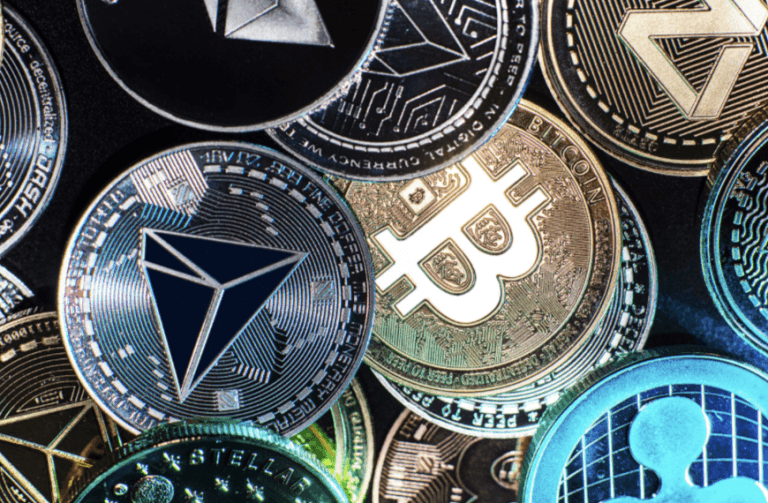
Tokens have a specific use or function within an ecosystem or platform, known as token utility. This includes how the token can be used and what benefits its owner can get.
Depending on the project or platform, tokens can have various utilities, such as profit sharing, payment for goods or services, access to exclusive features, staking rewards, voting rights, or participation in a decentralized governance system. This utility is what makes a token desirable and directly affects its market value.
The Importance of Token Utility
Designing a good token utility is very important because it can bring many benefits to a project. Tokens with clear and easy-to-use functions tend to be more attractive to investors and help increase the liquidity of the platform. In addition, the right token utility can also attract more users organically, so that the project does not have to spend a lot of money on marketing.
Tokens can also be used as an incentive tool, providing financial rewards or ownership to users who actively contribute, which in turn builds long-term relationships. If designed to solve a real problem and truly provide value, token utility can be the key to increasing the chances of success and making a project stronger in the market.
How to Design an Effective Token Utility
What are the steps in designing an effective token utility? Here is the explanation.
Token Purpose in the Ecosystem
The first step that needs to be taken is to clearly define the purpose of the token in the project's ecosystem. Will the token be used for transactions, access to certain features, voting rights in decision-making, loyalty programs, or other functions? Knowing the main role of the token will help form the basis of its utility.
Designing Token Utility in the Platform
After that, it is important to design how the token is actually used in the platform. For example, tokens can provide fee discounts, open access to premium services, or be used for staking so that users can participate in the governance process. Most importantly, make sure that each function designed supports each other and does not interfere with each other, so that users get a smooth and reasonable experience.
The Right Steps to Designing Token Utility
The steps include:
1. Study Similar Projects
Start by looking at the utilities commonly used by other projects with similar business models and goals. This will give you an idea of the best practices that work in the market and how they are implemented.
2. Create a Comprehensive Utility List
Compile a comprehensive list of utilities that already exist in the market, both from other projects and your own ideas. This list will help you choose the core and additional utilities that best suit your project’s goals.
3. Considering the Pros and Cons
For each utility you are considering, list the pros and cons. By considering both sides, you can assess whether the benefits outweigh the costs and risks, making it easier to make a decision.
4. Dividing and Allocating Utilities
The next step is to determine the core utilities that are most important to the project at this stage. These core utilities are crucial to the project’s survival and should be the primary focus of resource allocation and funding. Other, less urgent utilities can be put into additional categories and introduced as the project progresses.
5. Incentivize Token Holders
It is also important to create mechanisms that encourage token holders to continue holding and using their tokens. For example, by providing incentives such as staking rewards or discounts on products and services related to the project.
6. Avoiding Excessive Speculation
The design of a token’s utility must be done carefully so as not to encourage excessive speculation, but still encourage real-life usage of the token. You can achieve this by setting a fair price, conducting regular token burns, or using other mechanisms that help balance supply and demand.
7. Moving on to Tokenomics
After designing the utility, the next step is to work out the tokenomics of the project. This includes calculating token allocation, vesting arrangements, and reward systems. Additionally, it is important to model all of these elements to determine how many tokens are needed for the project to run smoothly.
Conclusion
In the crypto ecosystem, token utility plays an important role because it is the basis for the function, value, and direction of the token itself. However, it should be noted that each project has different needs and characteristics, so the design of token utility must be tailored specifically.
Token utility also plays a major role in driving user engagement, incentivizing active participation, and maintaining the sustainability of the platform. By providing benefits such as fee discounts, voting rights, access to exclusive services, or certain features, tokens can create a stronger sense of ownership and a more positive overall user experience.
FAQs
What is a utility token, and why is it important in Web3 crowdfunding?
A utility token is simply the use of a token within a platform. This is very important so that your Web3 project can grow healthily and last long.
How do you create a good and effective utility token?
First, determine the purpose of the token. After that, you can start designing how the token will be used within the platform. Make a list of utility ideas, consider the pros and cons then choose which one best suits your current project needs. Make sure everything makes sense and is useful for users.
What can tokens are used for on Web3 crowdfunding platforms?
Tokens can be used to vote in project decision-making. They can also be used to get discounts when using services or buying products. There are also those that can generate rewards if you stake. In fact, tokens can be a means of payment within the project's ecosystem itself.
Why is it so important to avoid tokens that are too speculative?
If a token is only used for speculation, meaning it is bought only to be sold again when the price goes up, it can make the token's value unstable. In the end, people's trust in the project can decrease. That's why good utility design focuses on real use within the platform.
To see how these utility tokens function in practice, explore how tokenized crowdfunding works on Web 3.0 platforms.