The allure of "getting in early" is what drives the heart of the crypto market. Presale platforms and Initial DEX Offerings (IDOs) offer the mouth-watering potential for 10x or 100x returns before a token even hits the major exchanges. But where there is high reward, there is often sophisticated risk.
For many investors, seeing the word "Audited" on a project’s landing page is enough to trigger a "buy" signal. However, in an era where "rug pulls" and smart contract exploits are increasingly complex, not all audits are created equal. An audit is not a magic shield; it is a professional opinion. Choosing the right audit service—or knowing how to read the ones provided—is the difference between a calculated investment and a blind gamble.
Why the Auditor Matters More Than the Audit
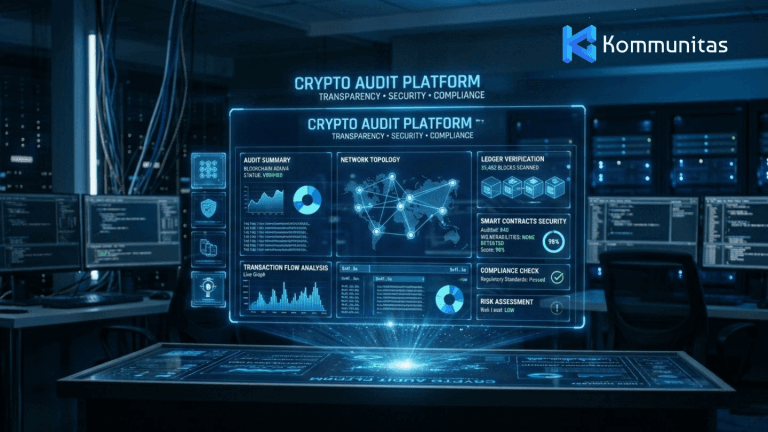
In the decentralized world, code is law. If the code has a backdoor, the law allows your funds to be drained. A smart contract audit is a process where third-party developers scrutinize the project's code to find bugs, security holes, or centralized "mint" functions that could be weaponized against investors.
However, the "who" matters just as much as the "what." A report from a reputable, battle-tested security firm carries weight because their reputation is on the line. Conversely, a "rubber-stamp" audit from an unknown entity might actually be a red flag disguised as a green one.
Key Pillars of a Top-Tier Audit Service
1. Reputation and Track Record
Has the auditing firm been around for multiple market cycles? A firm that has audited projects which were later exploited is not necessarily "bad"—security is an arms race —but how they handled the post-mortem matters. Look for firms like Hacken, CertiK, or PeckShield, which have established long-standing trust in the DeFi space.
2. Manual vs. Automated Review
Automated scans are fast and cheap, but they often miss logical errors. A high-quality audit service performs Manual Code Review. This means a human expert thinks like a hacker to find "business logic" flaws that a machine would overlook.
3. Transparency of the Report
A legitimate audit service provides a public, verifiable link to the full report—usually hosted on their own official domain or a GitHub repository. If a project only shows a "Certificate of Completion" without the technical breakdown, be wary.
4. Categorization of Severity
•
Critical: Must be fixed immediately (e.g., fund theft risks).
•
Major: Significant vulnerabilities (e.g., centralizing power). •
Minor/Informational: Optimization suggestions or best practices.
The Investor’s Workflow: How to Verify an Audit
Step 1: Verify the Source
Don't trust the PDF hosted on the project's website. Go to the auditor's official website or social media and search for the project name in their database. Scammers often forge audit certificates.
Step 2: Check the "Status" of Findings
Read the "Summary" section of the report. Look for terms like "Resolved" or "Mitigated." If the report lists "Critical" issues as "Acknowledged" but not "Fixed," the risk remains active.
Step 3: Watch for Centralization Risks
The most common "legally coded" scam is the ability for a developer to change fees to 100% or mint infinite tokens. Ensure the project uses a Multi-Sig wallet or Timelocks if owner privileges are highlighted.
Step 4: Cross-Reference with Launchpad Standards
Tierless launchpads like Kommunitas often perform their own internal due diligence. Check if the launchpad has a "Vetting" or "Insurance" policy that complements the audit.
Read Also: Credit Modeling in Crypto
Top Audit Firms Comparison
FAQ
Q: Does an audit guarantee that a project won't be rugged?
No. An audit only checks the code. It cannot prevent "Social Engineering," "Key Theft," or the developers simply abandoning the project. It is a safety check, not a guarantee.
Q: What is a "Soft Audit"?
There is no such thing as a "soft" audit. This is often a marketing term used by projects that haven't undergone a full security review.
Q: Can I invest in an unaudited project?
It is extremely high risk. Unless you can read Solidity code yourself, you are flying blind.
Guarding Your Portfolio
Choosing a presale platform—and the projects within it—requires a disciplined approach to security. An audit service is your first line of defense, but your own due diligence is the final filter. Always prioritize projects that use reputable auditors and transparently fix their vulnerabilities.
Next Step: Head over to the Kommunitas Launchpad, browse the upcoming IKOs, and practice your new skills.
References:
Smart Contract Security Best Practices - ConsenSys
The State of Web3 Security 2025 - CertiK Research
DeFi Vulnerability Encyclopedia - PeckShield
Auditing Standards for Token Sales - Hacken Cybersecurity
Put this knowledge to work: Explore live and upcoming token sales on the explore the Kommunitas launchpad.
For a deeper dive, see Potential IDO.