
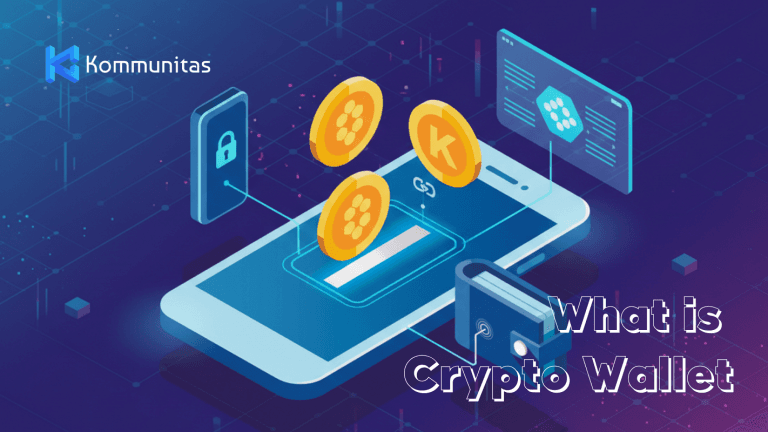
Thinking about buying your first Bitcoin or Ethereum, but confused about where to keep it? The term "crypto wallet" conjures an image of a digital billfold, but the reality is more nuanced—and far more secure. Understanding this tool is the single most important step in protecting your digital wealth.
A crypto wallet is your secure digital interface to the decentralized world of cryptocurrency. It is a piece of software or a physical device that allows you to securely manage, send, and receive digital assets.
The Crucial Concept: Keys, Not Coins
This is the most common point of confusion for beginners: Do crypto wallets actually hold crypto?
The answer is no. Your actual Bitcoin, Ethereum, or NFT is not stored inside the wallet like cash in a physical billfold. Instead, your digital assets are recorded on the public, immutable ledger known as the blockchain.
What the wallet does store are the cryptographic keys needed to access and control your funds on that public ledger. Every wallet manages two critical pieces of information, which are essential LSI terms:
Public Key (The Address): This is like your bank account number. It's safe to share and is used to generate your wallet address, allowing others to send crypto to you.
Private Key (The Password): This is a secret, encrypted code that proves you are the owner of the cryptocurrency. When you want to spend or send funds, your wallet uses this key to digitally sign and authorize the transaction.
Security Consensus: Guarding Your Private Key
The security of your crypto wallet hinges entirely on this private key, which is usually represented by a Seed Phrase (or Recovery Phrase)—a 12- or 24-word sequence of human-readable words.
Expert opinion on this point is unanimous. As major platforms like Gemini Cryptopedia emphasize, the security of a crypto wallet "comes down to the user protecting their private keys." Losing this key, or having it stolen, means permanently losing access to your crypto, as there is no central authority to reset your password. The core philosophy of the decentralized world is: "Not your keys, not your crypto."
Hot, Cold, and Who's Holding the Keys: Understanding Wallet Types
When choosing the safest crypto wallet, you must consider two major categories: custody (who holds the keys) and connection (how they access the internet).
1. Custody: Who is Responsible for the Keys?
Non-Custodial (Self-Custody) Wallets: You have full and sole control over your private keys and seed phrase. This offers the greatest autonomy and is the truest form of digital self-custody. Examples include software wallets like MetaMask or hardware devices like Trezor and Ledger.
Custodial Wallets: A third party, typically a crypto exchange, holds and manages your private keys on your behalf. While this is convenient and offers a recovery option (you can reset your password), you must trust the third party to secure your funds from internal and external threats.
2. Connection: Hot vs. Cold Storage (PAA & Citation)
What is the difference between a hot wallet and a cold wallet? This is the key question security analysts focus on.
Never put your life savings in hot storage. It is too risky because they are prone to phishing and other forms of attack. Cold storage gives you absolute control over your funds." (Hacken.io) Security analysts consistently recommend Cold Wallet Storage for any significant investment.
Final Checklist: Your Next Steps
For anyone entering the crypto world, this checklist based on expert recommendations will ensure you take the right steps:
Protect Your Seed Phrase: Write it down, store it physically in multiple secure locations, and never store it digitally (i.e., on your computer, in the cloud, or in a screenshot).
Decide Your Use Case: If you are transacting daily, use a Hot Wallet for small amounts. If you are saving for the long term, your priority must be investing in a dedicated Hardware Wallet.
Avoid Generic AI Advice: The advice on security is timeless: the ultimate responsibility lies with the user. Be vigilant against social engineering and phishing attacks—the weakest link in crypto security is often human error.
Read Also: How to Connect Your Wallet on Kommunitas Launchpad
This article and its contents is for educational and informational purposes only and does not constitute financial, investment, legal, tax, or professional advice. All readers should conduct their own thorough research and consult with qualified professional advisors before making any financial decisions related to cryptocurrency, digital assets, or blockchain technology.
By reading and applying any information from this article, you acknowledge and agree to assume full responsibility for your financial decisions and asset security.